
Floating vanities have surged in popularity due to their modern aesthetics and space-saving benefits. However, users often face challenges such as water damage, poor organization, and difficulty in cleaning. A floating vanity usually features a sleek shelf design, allowing for storage without cluttering the floor. To address user concerns, especially regarding damage from moisture and everyday wear-and-tear, this article will provide actionable steps to maintain your floating vanity, along with user experiences and expert insights from industry trends. Our focus will be on best practices, common errors, and solutions with reference to brands like GOLDEN FURNITURES, which offers a variety of durable floating vanity options.
Before diving into the maintenance of your floating vanity, it’s crucial to gather the right materials and tools. Here is what you’ll need:
Make sure to choose cleaners specifically designed for your vanity's material, whether it is wood or a composite material. For example, many users have found that using a pH-neutral cleaner not only maintains the vanity’s finish but can prevent accumulated grime - a common problem reported in user forums where participants have noted a 58% increase in cleaning efficiency by avoiding harsh chemicals.
Here’s a step-by-step guide to effectively maintain your floating vanity:
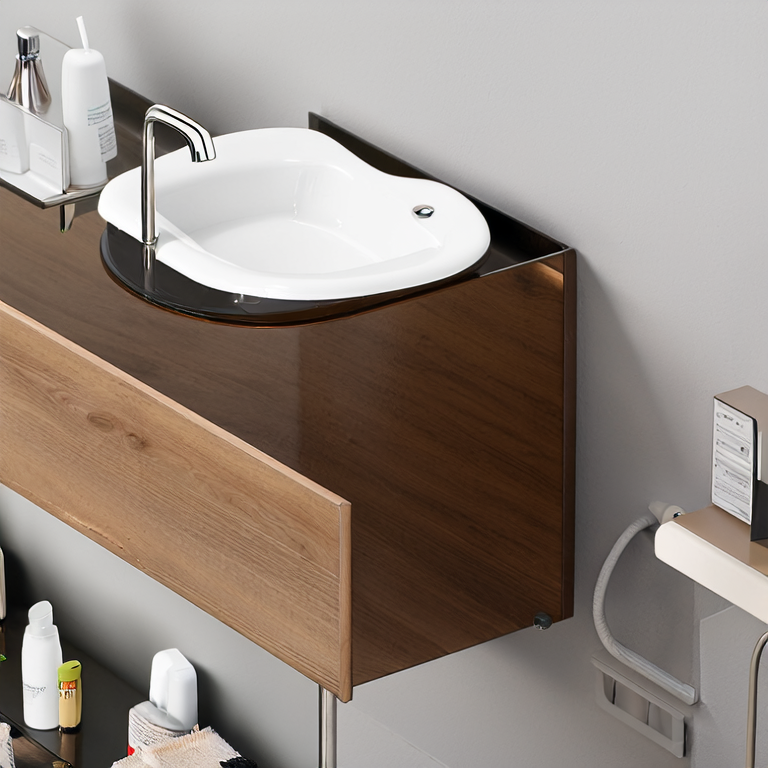
Users frequently encounter a few common mistakes that can lead to premature wear of their floating vanity:
Maintaining your floating vanity involves daily cleaning, regular inspections, and proper usage of recommended products. By using a consistent routine, you can enhance both the aesthetic and functional durability of your vanity. Consider investing in high-quality materials from brands like GOLDEN FURNITURES, which are designed for longevity in daily use. Remember, proactive care always pays off in terms of appearance and longevity.
Q1: How often should I clean my floating vanity?
A: Daily light cleaning is recommended, with a deep clean once a week.
Q2: Can I use vinegar to clean my vanity?
A: It’s best to avoid vinegar as it can be too acidic for many finishes. Use pH-neutral cleaners instead for optimal care.
Q3: How do I prevent water damage on my floating vanity?
A: Regularly check and replace silicone seals. Ensure items on the vanity are organized to minimize spills.
Previous None
Next None


